
 Upcoming
Seminar
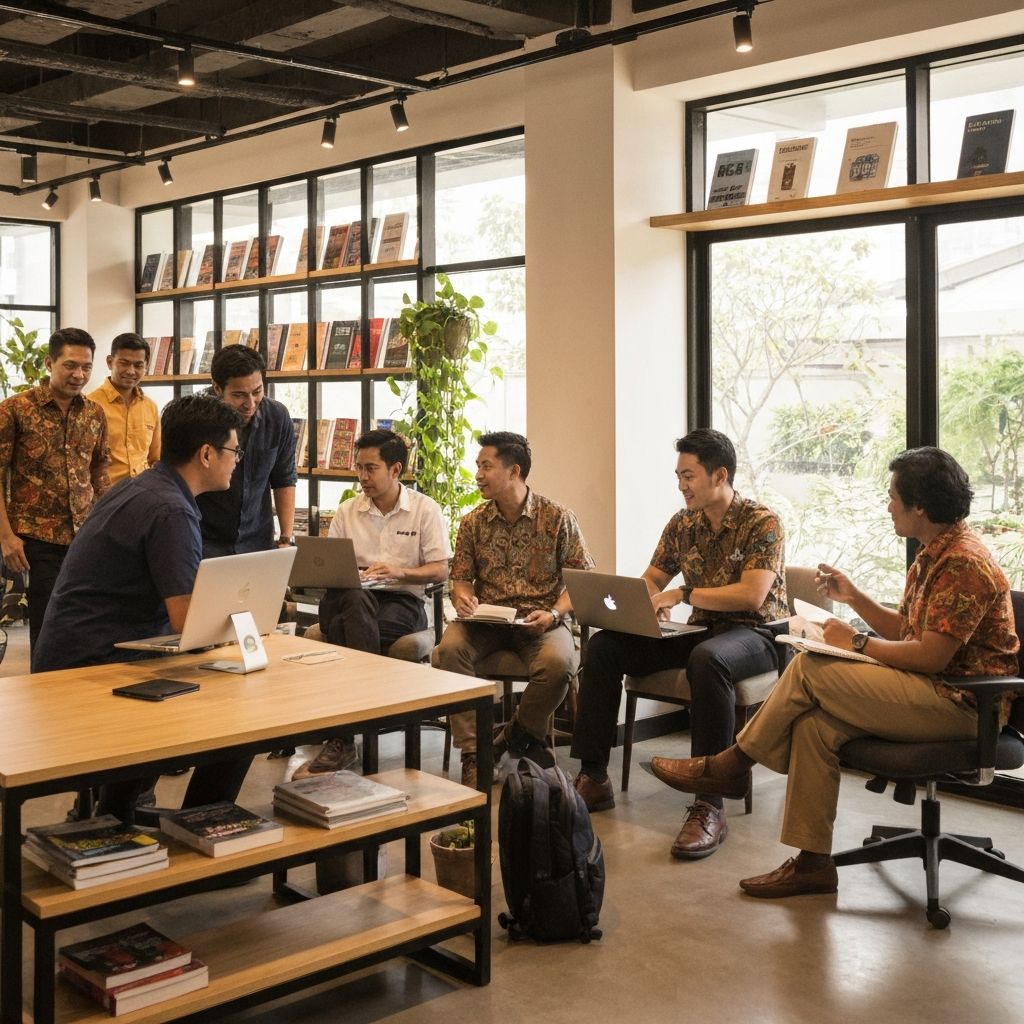
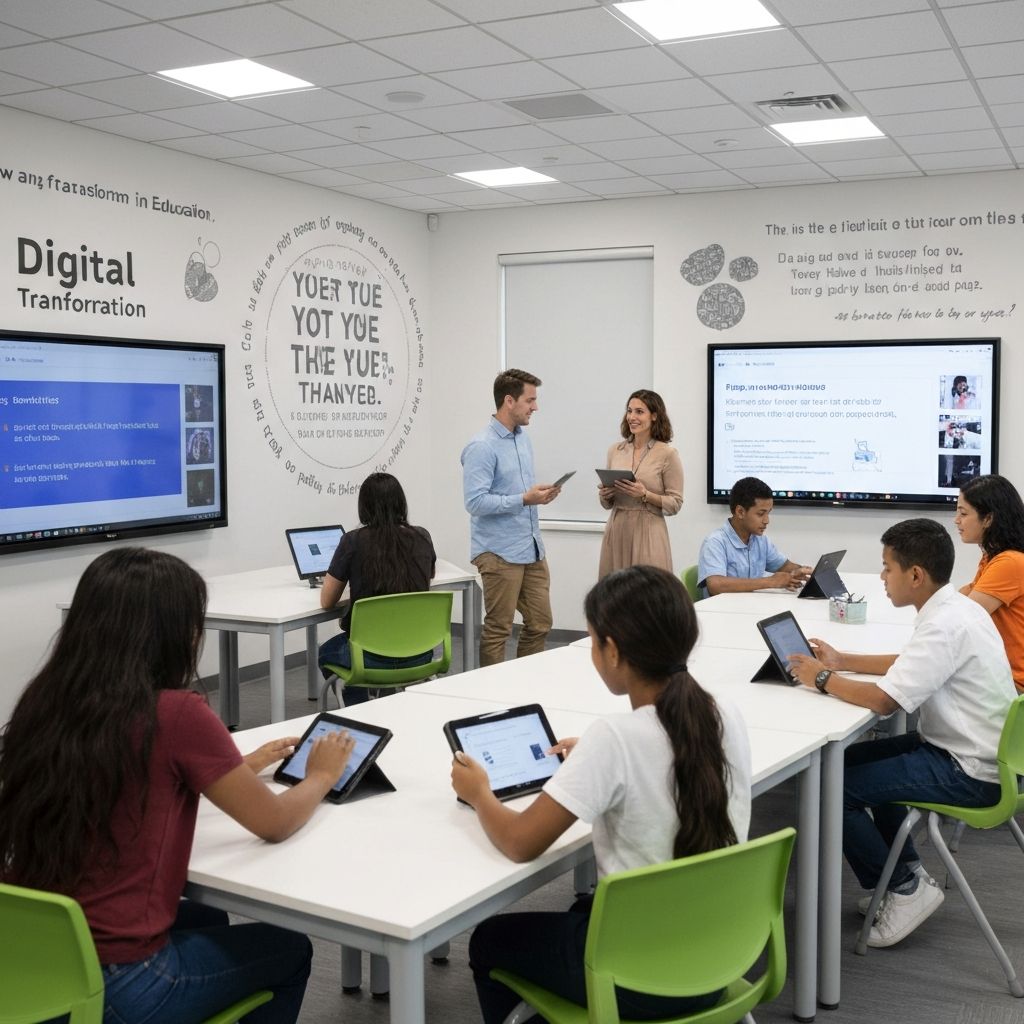
Seminar: Digital Transformation in Education
Exploring how technology reshapes learning methodologies and educational access in modern society.
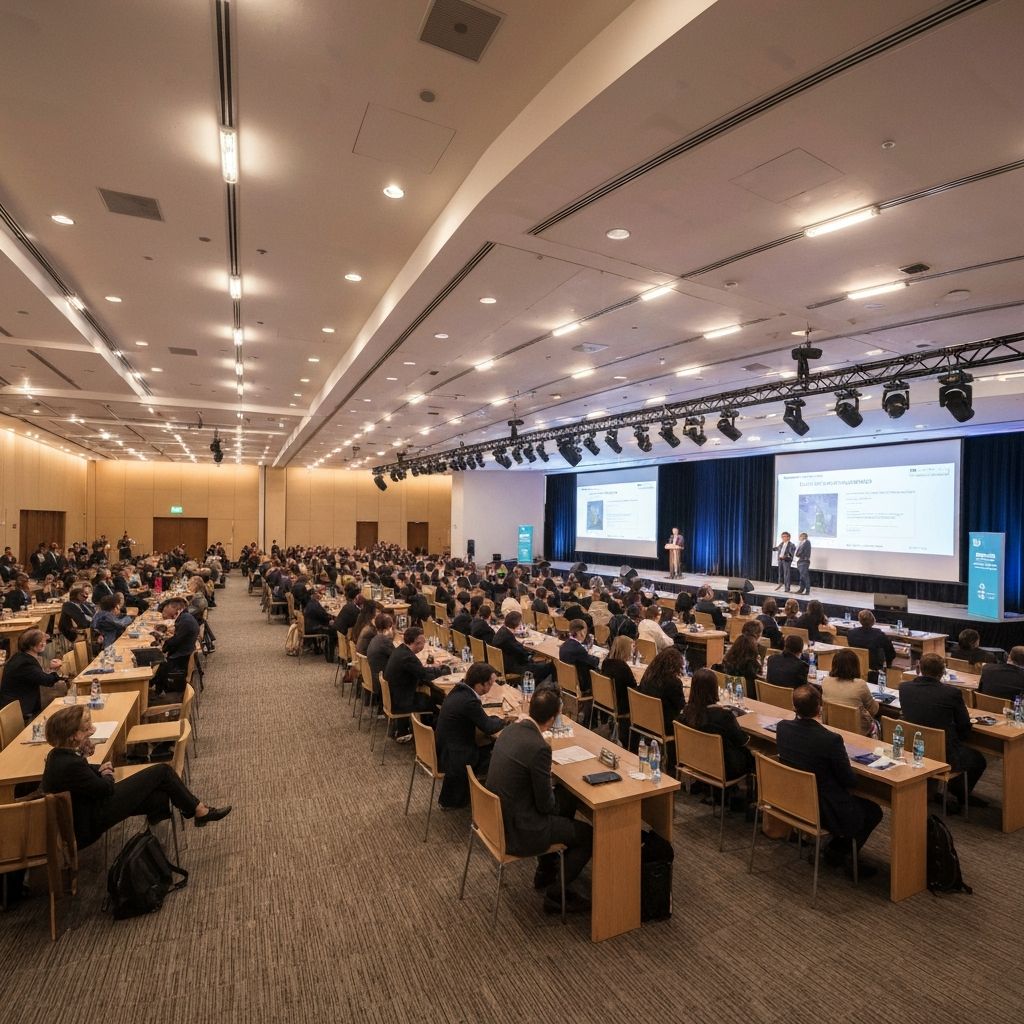
March 15-17, 2026 | Yogyakarta, Indonesia
Learn More
 Upcoming
Exploring how technology reshapes learning methodologies and educational access in modern society.
 Upcoming
Hands-on training for researchers to enhance their quantitative and qualitative research skills.
 Upcoming
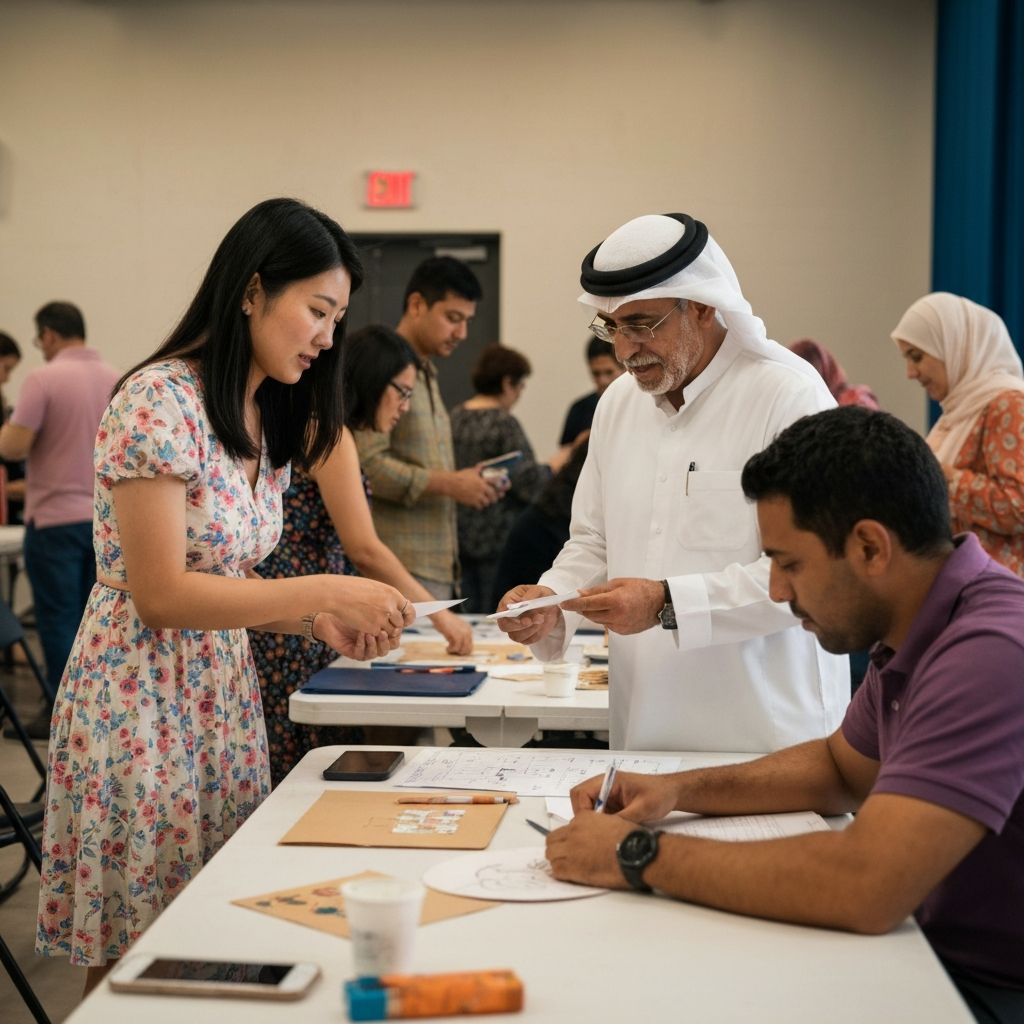
Fostering cross-cultural understanding through collaborative community projects and dialogue.

Jurnal Cantrik berhasil meraih kenaikan dan mempertahankan akreditasi nasional...

Jurnal Cantrik meraih kenaikan dan mempertahankan...

Seiring periodik upgrade, laman jurnal fakultas akan mengalami Downtime...

Pemberitahuan Upgrade OJS 3.5 E-Journal Cantrik
Secara defacto berdiri pada tahun 2016, Buana Cantrik Akademia adalah organisasi nirlaba, independen secara politik, dan non-partisan yang bergerak di bidang sosioteknologi yang bertujuan dalam pemberdayaan manusia di bidang pendidikan, ekonomi, teknologi, dan budaya, serta irisannya dalam mencapai riset-riset akademik. Berbasis di Indonesia, kantor administrasi utamanya berada di Yogyakarta.